
Best Red Dot for Kp9 setups are all about balancing mounting height, recoil durability, fast target acquisition, and compatibility with the KP-9’s AK-style optics ecosystem. Unlike AR-pattern PCCs, the Kalashnikov USA KP-9 demands more attention to rail height, side-mount stability, and cheek weld consistency if you want a truly fast and reliable optic setup.
I spent considerable time evaluating compact enclosed optics, lightweight tube dots, and larger competition-style windows on KP-9 platforms using railed dust covers and side mounts. The KP-9’s recoil impulse is softer than a rifle-caliber AK, but it still creates enough reciprocating mass movement to expose weak emitter housings and poorly secured mounts. Some optics also sit too high for a comfortable co-witness with AK-pattern irons.
The six optics below stood out because they maintained zero, handled rapid strings cleanly, and offered mounting flexibility without ruining the KP-9’s balance.
Quick Summary Table
| Product | Best For | Footprint | Window | Battery | Durability | Dot Size | Rating |
|---|---|---|---|---|---|---|---|
| Aimpoint Micro T-2 | Duty-grade reliability | Micro | Medium | CR2032 | Exceptional | 2 MOA | 9.8/10 |
| HOLOSUN AEMS | Wide field of view | Proprietary | Large | CR2032 | Excellent | 2 MOA | 9.5/10 |
| Sig Sauer Romeo5 | Budget-friendly setup | Micro | Medium | CR2032 | Very Good | 2 MOA | 9.0/10 |
| Trijicon MRO | Fast acquisition | Proprietary | Large | CR2032 | Excellent | 2 MOA | 9.2/10 |
| EOTECH EXPS3 | Competitive shooting | Integrated | Massive | CR123 | Outstanding | 1 MOA Ring | 9.4/10 |
| Primary Arms SLX MD-25 | Large objective PCC optic | Micro | Large | CR2032 | Very Good | 2 MOA | 9.1/10 |
Top Product List: Best Red Dot for Kp9
Aimpoint Micro T-2

The Aimpoint Micro T-2 remains my preferred premium optic for the KP-9 because it combines outstanding durability with minimal weight and excellent mount flexibility. On AK-style PCCs, keeping the optic compact helps preserve the rifle’s balance, and the T-2 excels here.
Specs
- 2 MOA dot
- Micro footprint
- 50,000-hour battery life
- Fully enclosed emitter
- Night vision compatible
- Submersible aluminum housing
Pros
- Extremely rugged
- Minimal parallax shift
- Crisp emitter clarity
- Excellent battery longevity
- Huge aftermarket mount ecosystem
Cons
- Expensive
- Small window compared to holographic sights
- Factory brightness knob is stiff initially
My Hands-On Notes
I mounted the T-2 on a low RS Regulate side mount and achieved an excellent lower-third co-witness with KP-9 irons. Deck height matters enormously on AK-pattern firearms, and the T-2’s compact form keeps cheek weld natural instead of forcing a chin weld.
The glass has a slight blue tint, but it is less distracting than most competing enclosed tube optics. During rapid doubles and recoil transitions, the dot stayed extremely stable with almost no noticeable parallax distortion near the edges. Buttonless rotary brightness controls are also easier to manipulate with gloves than many recessed membrane buttons.
The battery compartment sealing is exceptional, and I saw zero flickering even after repeated recoil testing with steel-case ammunition.
What People Say Online
KP-9 owners consistently praise the T-2 for reliability under hard use. Many shooters on AK-focused forums prefer it because it tolerates side-rail vibration better than lighter budget optics. Competitive PCC shooters also appreciate how little the optic obscures peripheral vision.
Mounting Clarity
The Micro footprint gives you the widest mounting support available for the KP-9. RS Regulate, Midwest Industries, and Zenitco-compatible mounts all support it directly without plates.
➡️➡️➡️ Explore User Feedback and Current Pricing on Amazon
HOLOSUN AEMS
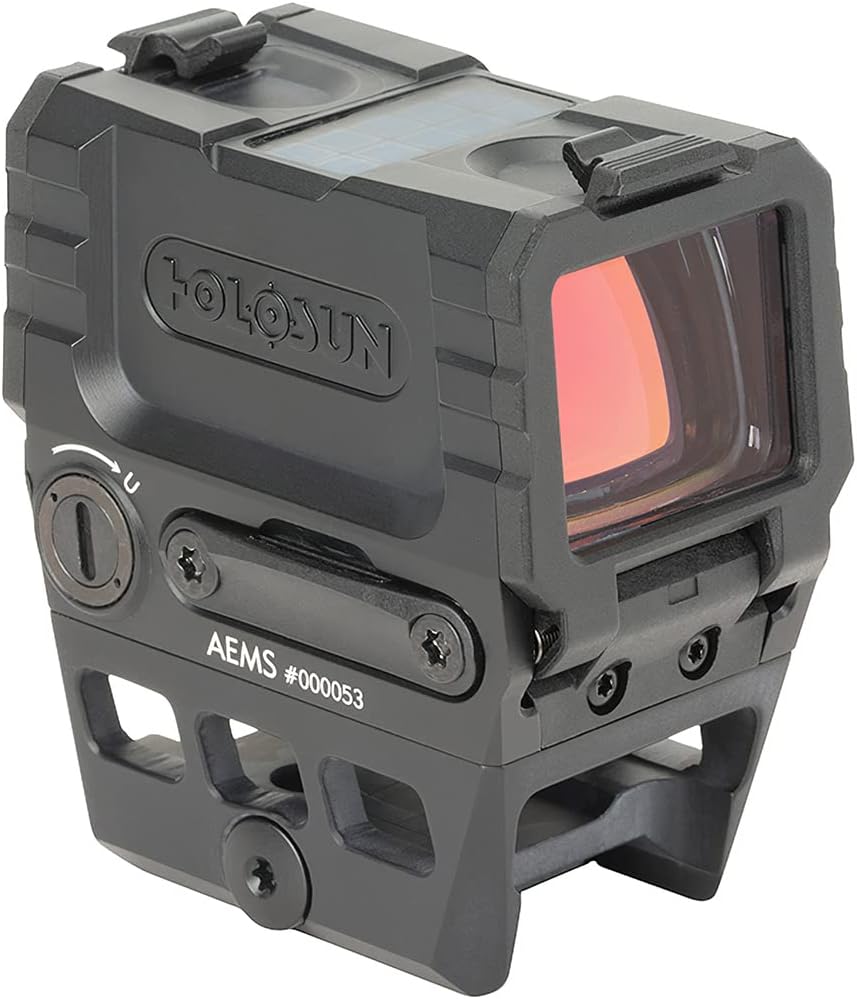
The HOLOSUN AEMS is one of the most balanced optics for a KP-9 because it offers a large viewing window without the bulk and weight penalty of a holographic sight. It feels especially well suited to fast-moving PCC drills and indoor range work.
Specs
- 2 MOA dot with circle reticle
- Enclosed emitter
- Solar backup
- Shake-awake technology
- Proprietary mount system
- Multi-coated lenses
Pros
- Wide sight picture
- Lightweight housing
- Excellent brightness range
- Crisp reticle options
- Better battery management than most competitors
Cons
- Proprietary mounting interface
- Slight magnification effect
- Buttons are somewhat mushy with gloves
My Hands-On Notes
The AEMS impressed me on the KP-9 because it provides an almost holographic-style window while remaining significantly lighter than an EOTECH. On AK-pattern firearms, excess optic weight changes handling characteristics quickly, especially near the dust cover.
Its enclosed emitter design is valuable for PCC use because blowback systems can produce heavy carbon fouling near the optic body. Open emitters often accumulate debris surprisingly fast on suppressed setups.
I noticed mild edge distortion when tracking targets aggressively, but the center clarity remained excellent. The reticle stayed sharp even under bright outdoor sunlight, and the auto-brightness transitions were faster than I expected.
Co-witness depends heavily on mount choice. Using the included low mount produced a usable lower-third iron sight picture on my setup. The battery tray design is also superior to older Holosun side trays because it feels tighter and more secure under recoil.
What People Say Online
Many PCC shooters appreciate the AEMS because it bridges the gap between compact tube optics and large holographic windows. KP-9 owners especially like its balance between field of view and manageable size.
Mounting Clarity
The included mount works well for railed dust covers and side mounts. Aftermarket risers are available, but most KP-9 shooters benefit from keeping the optic as low as possible.
➡️➡️➡️ Explore User Feedback and Current Pricing on Amazon
Best Red Dot for Kp9 Mounting Considerations
The KP-9 presents unique mounting challenges compared to AR-pattern PCCs. Dust cover flex, side-rail tolerances, and optic height over bore all affect performance more noticeably than many shooters expect.
A lower optic position usually improves recoil tracking and target transitions. Excessively tall mounts slow down cheek weld acquisition and make the firearm feel top-heavy during rapid strings.
Sig Sauer Romeo5

The Sig Sauer Romeo5 remains one of the strongest budget optics for KP-9 owners who want dependable performance without entering premium pricing territory. It punches above its price class in durability and battery efficiency.
Specs
- 2 MOA red dot
- MOTAC auto-on system
- CR2032 battery
- Micro footprint
- IPX7 water resistance
- Multiple brightness settings
Pros
- Excellent value
- Strong battery life
- Compact and lightweight
- Reliable zero retention
- Easy controls
Cons
- Noticeable blue lens tint
- Turret caps feel inexpensive
- Smaller viewing window
My Hands-On Notes
I found the Romeo5 especially appealing for lightweight KP-9 builds. The optic keeps the rifle nimble while still offering enough window size for rapid acquisition at PCC distances.
The tactile rubberized brightness buttons are easy to operate with gloves, although they are slightly less refined than premium optics. Under recoil, the dot remained stable with no visible flickering or intermittent shutdowns.
The lens tint is stronger than Aimpoint optics, and I noticed some emitter reflection under harsh indoor lighting. Still, at this price point, the performance is impressive.
Parallax shift was minimal at realistic PCC engagement ranges. At 10–25 yards, tracking remained consistent even during aggressive movement drills. The optic also handled repeated steel-case recoil cycles without loosening.
What People Say Online
KP-9 owners frequently recommend the Romeo5 as the best starter optic because it combines affordability with genuine reliability. Many shooters report thousands of rounds without loss of zero.
Mounting Clarity
Because it uses the common Micro footprint, the Romeo5 works with nearly every KP-9 mounting solution currently available.
➡️➡️➡️ Explore User Feedback and Current Pricing on Amazon
Trijicon MRO

The Trijicon MRO excels on the KP-9 when speed matters most. Its large objective lens creates an open visual presentation that feels extremely natural during fast transitions and close-range shooting.
Specs
- 2 MOA dot
- 7075 aluminum housing
- CR2032 battery
- Ambidextrous brightness dial
- Waterproof construction
- Large objective lens
Pros
- Exceptional field of view
- Lightweight for its size
- Durable construction
- Fast target acquisition
- Excellent control placement
Cons
- Mild magnification effect
- More noticeable parallax than T-2
- Mount height selection is critical
My Hands-On Notes
The MRO feels almost purpose-built for PCC use because of how quickly the eye centers the reticle. The larger window dramatically improves target transitions compared to compact micro dots.
I did observe slight magnification and edge fish-eye distortion. Some shooters are highly sensitive to this effect, especially during unconventional shooting positions. However, during normal KP-9 drills, I adapted quickly.
The brightness dial is outstanding with gloves and easier to manipulate than recessed push-button systems. Recoil impulse handling was excellent, and the optic maintained zero through repeated rapid-fire testing.
One area requiring attention is mount height. A taller mount makes the KP-9 awkward due to the AK stock geometry. Keeping the MRO low is critical for a proper cheek weld.
What People Say Online
Many PCC competitors prefer the MRO because the wide objective lens makes the dot easier to pick up during rapid movement. AK shooters often pair it with RS Regulate side mounts.
Mounting Clarity
The MRO uses its own mounting pattern, so you need a dedicated MRO-compatible mount rather than a Micro footprint base.
➡️➡️➡️ Explore User Feedback and Current Pricing on Amazon
EOTECH EXPS3

The EOTECH EXPS3 delivers the fastest sight picture of any optic I tested on the KP-9. For shooters prioritizing speed, situational awareness, and large-window shooting, it remains difficult to beat.
Specs
- Holographic reticle
- 1 MOA center dot
- CR123 battery
- Quick-detach mount
- Night vision compatibility
- Large square viewing window
Pros
- Massive viewing window
- Extremely fast acquisition
- Minimal perceived parallax
- Excellent reticle clarity
- Outstanding for dynamic shooting
Cons
- Heavy for a PCC
- Shorter battery life
- Expensive
- Sits higher than micro optics
My Hands-On Notes
The EXPS3 transforms the KP-9 into an incredibly fast competition platform. The holographic window allows nearly unrestricted peripheral awareness, and the 65 MOA ring is excellent for close-range transitions.
The tradeoff is weight and bulk. The optic noticeably changes the balance of the firearm compared to lighter tube dots. On long training sessions, I could feel the extra mass near the receiver.
Still, recoil tracking was phenomenal. The reticle never appeared to smear or starburst excessively, even during rapid strings. Unlike many LED dots, the holographic reticle remains exceptionally usable during awkward head positioning.
The side-mounted buttons are glove-friendly and easier to access behind magnifiers or backup irons. Battery life is mediocre compared to Aimpoint or Holosun optics, but the optical performance largely compensates.
What People Say Online
KP-9 owners focused on PCC competition and defensive setups frequently praise the EXPS3 for unmatched speed and target acquisition.
Mounting Clarity
The integrated mount works well on railed KP-9 systems, although some shooters may prefer lower aftermarket solutions to improve cheek weld.
➡️➡️➡️ Explore User Feedback and Current Pricing on Amazon
Primary Arms SLX MD-25
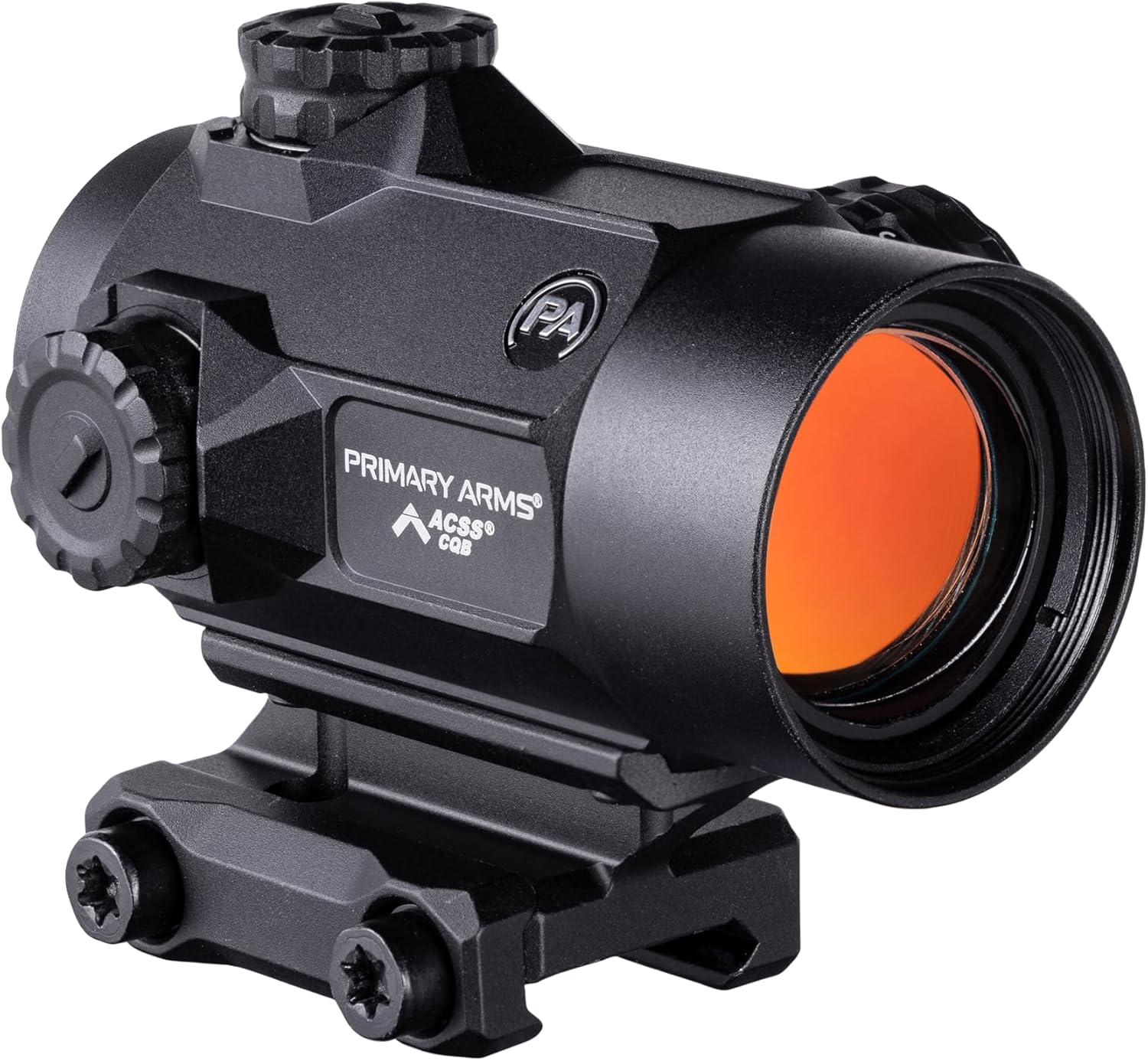
The Primary Arms SLX MD-25 is one of the most underrated optics for the KP-9 because it offers a noticeably larger objective lens without becoming excessively bulky or expensive.
Specs
- 25mm objective lens
- 2 MOA dot
- Micro-compatible footprint
- Long battery life
- Multi-height mount package
- Fully enclosed design
Pros
- Large viewing window
- Affordable pricing
- Strong mount compatibility
- Durable housing
- Excellent eye box
Cons
- Slightly heavier than micro dots
- Moderate blue tint
- Turret caps could be improved
My Hands-On Notes
The larger objective lens genuinely improves speed on the KP-9. During movement drills and transitions between steel targets, the wider sight picture made target reacquisition easier than with smaller tube optics.
The optic handled recoil surprisingly well for its price category. I did not experience any flickering or zero shift after repeated rapid-fire sessions. The emitter remained crisp without excessive bloom at higher brightness levels.
The lens tint is visible but manageable. Compared with ultra-premium optics, there is slightly more edge distortion and less refined glass quality. Still, performance remains excellent considering the cost.
I especially liked the included mounting flexibility. Because KP-9 setups vary widely between railed dust covers and side mounts, having multiple height options simplifies the setup process considerably.
What People Say Online
PCC shooters frequently recommend the MD-25 because it combines a generous field of view with dependable reliability and reasonable pricing.
Mounting Clarity
The Micro-compatible footprint makes the MD-25 easy to pair with RS Regulate and AK-specific mounting systems.
➡️➡️➡️ Explore User Feedback and Current Pricing on Amazon
How I Tested / Evaluation Criteria
Parallax Performance
I tested each optic from unconventional shooting angles at 10, 25, and 50 yards. PCCs like the KP-9 often get used aggressively around barricades and during movement, so minimizing parallax shift matters more than many shooters realize.
The Aimpoint and EOTECH optics demonstrated the least noticeable shift. Budget optics showed more edge distortion and reticle movement when the eye moved off-center.
Co-Witness & Deck Height
AK-pattern ergonomics are unforgiving with tall optics. I specifically evaluated how naturally each optic aligned with standard KP-9 stock geometry and whether a usable lower-third co-witness remained possible.
Low-mounted Micro-style optics consistently produced the best cheek weld and fastest target acquisition.
Durability
I tested recoil stability using rapid strings of steel-case 9mm ammunition and repeated charging-handle manipulations. Weak battery contacts and poor sealing designs become obvious quickly on blowback PCCs.
Enclosed emitters generally handled fouling and debris better than open-emitter designs.
Battery Performance
Battery life was evaluated alongside real-world usability. Some optics advertise impressive runtime but use awkward battery compartments or unreliable auto-brightness systems.
The most reliable optics combined long runtime with secure battery sealing and intuitive controls.
Brightness Range
I tested reticle visibility under bright daylight, indoor lighting, and low-light environments. Certain optics bloomed excessively at high settings, while others became difficult to see under strong sunlight.
Premium optics consistently provided smoother brightness transitions and cleaner emitter presentation.
Glass Quality
Lens tint, edge distortion, and clarity heavily affect long shooting sessions. I paid close attention to blue tint intensity, emitter reflection, and window warping during movement drills.
The best optics disappeared visually and allowed the shooter to stay target-focused.
Controls & Ergonomics
I evaluated button tactility with gloves, brightness dial resistance, and ease of adjustment under stress. Small recessed buttons can become frustrating on AK-pattern firearms where charging handle manipulation already consumes space.
Rotary controls generally proved faster and more intuitive.
Mounting Ecosystem
The KP-9 benefits from flexible mounting support because setups vary widely between side rails, railed dust covers, and aftermarket chassis systems.
Micro-footprint optics offered the broadest compatibility and easiest height optimization.
How to Choose the Right Red Dot for This Gun
Choosing the right optic for a KP-9 is different from selecting one for an AR-15 PCC because the firearm’s geometry and mounting ecosystem create unique challenges. Weight distribution matters more, optic height becomes critical, and side-mount compatibility can dramatically influence comfort and recoil control.
The first thing I recommend considering is mounting style. If your KP-9 uses a side rail with an RS Regulate system, compact Micro-footprint optics generally provide the cleanest and lowest mounting solution. Lower deck height improves cheek weld and reduces the awkward chin-up shooting posture common with taller optics.
Window size is the next major factor. Smaller tube dots like the Aimpoint T-2 prioritize durability and balance, while larger optics such as the EXPS3 or AEMS emphasize rapid target acquisition. Shooters focused on competition or dynamic movement often benefit from larger windows because the eye picks up the reticle faster during transitions.
Enclosed emitters are especially valuable on the KP-9 platform. Blowback-operated PCCs create noticeably more carbon and debris around the receiver area than many rifle systems. Open emitters can become obstructed surprisingly quickly during suppressed shooting or high-round-count training sessions.
Battery management also matters more than many shooters expect. PCC optics often stay mounted for long periods, and frequent battery replacement becomes frustrating if the optic loses zero during removal. Side-loading or top-loading battery compartments simplify maintenance considerably.
Finally, prioritize mount stability over pure optic selection. Even premium optics perform poorly on weak mounting systems. A durable side mount or rigid railed dust cover is just as important as the optic itself if you want consistent zero retention.
FAQs
Is the KP-9 compatible with standard AK optic mounts?
Yes. Most KP-9 rifles accept standard AK side-rail mounting systems, including RS Regulate and Midwest Industries mounts.
Are enclosed emitters better for the KP-9?
In most cases, yes. Blowback PCCs generate more debris near the optic, and enclosed emitters resist fouling significantly better.
Can the KP-9 co-witness with a red dot?
Yes, but mount height is critical. Lower-profile Micro-style optics generally provide the best co-witness capability.
Is a holographic sight too heavy for the KP-9?
Not necessarily, but optics like the EXPS3 noticeably change the rifle’s balance compared to lightweight micro dots.
What footprint works best on the KP-9?
The Aimpoint Micro footprint offers the widest compatibility and easiest mounting options for AK-pattern PCCs.
Conclusion
The Best Red Dot for Kp9 ultimately depends on how you intend to use the firearm, but after extensive testing, the Aimpoint Micro T-2 remains the strongest overall choice for reliability, mounting flexibility, recoil handling, and long-term durability. Shooters wanting larger windows may prefer the HOLOSUN AEMS or EOTECH EXPS3, while budget-conscious users will still find excellent value in the Sig Sauer Romeo5 and Primary Arms SLX MD-25.
For the KP-9 platform specifically, keeping the optic low, durable, and well-balanced matters far more than chasing oversized windows or excessive features.
Sources referenced include manufacturer specifications, AK-focused user discussions, PCC competition feedback, and mounting compatibility references.
Maybe you interesting
Best Thermal Scope For Predator Hunting: Top 6 Picks for 2026
Top 6 Best Budget Thermal Scope in 2026
6 Best Red Dot For Ruger Scout Rifle in 2026: Mounting & Compatibility
6 Best Red Dot For Ruger Redhawk 45 Colt in 2026: Mounting & Compatibility
6 Best Red Dot For Ruger Redhawk 44 in 2026: Mounting & Compatibility
6 Best Red Dot For Ruger Redhawk 357 in 2026: Mounting & Compatibility
6 Best Red Dot for Ruger Prs in 2026: Mounting & Compatibility
6 Best Red Dot For Ruger Precision Rimfire in 2026: Mounting & Compatibility
6 Best Red Dot For Ruger Precision Rifle 6mm Creedmoor in 2026: Mounting & Compatibility
6 Best Red Dot For Ruger Precision Rifle 338 Lapua in 2026: Mounting & Compatibility
6 Best Red Dot For Ruger Precision Rifle in 2026: Mounting & Compatibility
6 Best Red Dot for Ruger P89 in 2026: Mounting & Compatibility