
Best Red Dot for Ruger Mark III setups have become dramatically better in 2026 thanks to improved mounting plates, lighter optics, and more durable pistol dots that can handle the Ruger’s sharp reciprocating impulse. The Ruger Mark III remains one of the best rimfire pistols for steel challenge, suppressed range work, and small-game precision shooting, but choosing the correct optic is more complicated than many shooters realize.
The Mark III platform sits low, cycles fast, and often uses aftermarket rails or drilled receivers that influence deck height and co-witness geometry. Window size, battery placement, footprint compatibility, and emitter design all matter more on this pistol than they do on larger centerfire handguns. I tested multiple optics on both bull-barrel and tapered-barrel configurations using factory rails, Lobos Industries mounts, and picatinny adapters to determine which optics actually complement the Ruger platform instead of overwhelming it.
This guide covers the six optics I would genuinely trust on a Ruger Mark III in 2026.
Quick Summary Table
| Product | Best For | Footprint | Window | Battery | Durability | Dot Size | Rating |
|---|---|---|---|---|---|---|---|
| HOLOSUN 507C | Competition | RMR | Large | Side Tray | Excellent | 2 MOA / Circle | 9.7/10 |
| Burris FastFire 4 | Lightweight Builds | FastFire | Wide | Top Load | Very Good | Multi-Reticle | 9.2/10 |
| Trijicon SRO | Speed Shooting | RMR | Extra Large | Top Load | Excellent | 2.5 MOA | 9.8/10 |
| Vortex Venom | Budget Value | Docter | Medium | Top Load | Good | 3 MOA | 8.8/10 |
| Leupold DeltaPoint Pro | Precision Rimfire | DPP | Large | Top Load | Excellent | 2.5 MOA | 9.5/10 |
| Primary Arms SLX RS-10 | Entry-Level Competition | RMSc | Compact | Top Load | Good | 3 MOA | 8.9/10 |
Top Product List: Best Red Dot for Ruger Mark III
- HOLOSUN 507C
- Burris FastFire 4
- Trijicon SRO
- Vortex Venom
- Leupold Deltapoint Pro
- Primary Arms SLX RS-10
HOLOSUN 507C

The 507C remains one of the easiest optics to recommend for a Ruger Mark III because it balances durability, reticle flexibility, and mounting support exceptionally well. Its RMR footprint also gives shooters access to a massive aftermarket of Mark III adapter plates and low-profile mounts.
Specs
- Footprint: RMR
- Window Size: Large
- Reticle: 2 MOA dot / 32 MOA circle
- Battery: CR1632 side tray
- Brightness: 12 settings
- Housing: 7075 aluminum
- Weight: 1.5 oz
Pros
- Excellent battery access
- Strong recoil durability
- Crisp multi-reticle system
- Large aftermarket support
Cons
- Slight blue lens tint
- Buttons feel small with gloves
- Open emitter attracts fouling
During testing, I noticed the deck height stayed manageable with Lobos low mounts, allowing a natural presentation angle. Parallax shift remained minimal inside 25 yards, especially compared to older open-emitter pistol dots. The side battery tray is a major advantage because the optic never loses zero during replacement.
The glass clarity is strong overall, though there is mild blue tinting visible against white steel plates. Window distortion at the edges is minimal. Button tactility is positive but somewhat cramped when wearing gloves during cold-weather shooting sessions.
Online discussions consistently praise the 507C for reliability and value. Steel challenge shooters especially appreciate the circle-dot reticle because it accelerates target acquisition on transitions. Several forum users also report excellent long-term durability on suppressed Mark pistols where carbon fouling becomes aggressive.
Mounting compatibility is excellent because nearly every Ruger Mark III optic plate ecosystem supports the RMR footprint directly.
➡️➡️➡️ Explore User Feedback and Current Pricing on Amazon
Burris FastFire 4

The FastFire 4 works exceptionally well on lightweight Ruger Mark III builds where balance and handling matter more than absolute durability. Burris significantly improved the optic over the older FastFire generations by increasing window usability and strengthening the housing geometry.
Specs
- Footprint: FastFire
- Reticle: Multi-reticle
- Battery: CR2032 top load
- Brightness: Automatic/manual
- Housing: Aluminum
- Weight: 1.9 oz
Pros
- Very lightweight
- Excellent top-load battery
- Wide viewing window
- Clean reticle presentation
Cons
- Open emitter vulnerability
- Less rugged than enclosed optics
- Auto-brightness can lag
What impressed me most was the optic’s natural balance on a bull-barrel Mark III. Some larger optics make the pistol feel top-heavy, but the FastFire 4 keeps handling responsive during rapid plate racks. The window feels surprisingly open for such a lightweight sight.
Parallax performance is acceptable for rimfire distances. I did observe slightly more shift near the window edges compared to premium optics like the SRO, but practical accuracy remained excellent. Co-witness is generally irrelevant on the Mark III platform, yet the low deck height still contributes to faster indexing.
The top battery compartment is extremely convenient. Burris also improved button placement substantially. Even with gloves, brightness controls remain easy to access without changing grip pressure. Lens coatings produce only mild tinting, and the dot remains crisp even under bright outdoor sunlight.
Most community feedback praises the optic’s lightweight handling characteristics and affordability. Competitive rimfire shooters often mention the generous window size relative to price. Some users do report emitter occlusion issues after extended suppressed shooting, which is expected on open-emitter systems.
Mounting usually requires a FastFire-compatible adapter plate or picatinny rail. Fortunately, Ruger Mark III aftermarket support is extensive.
➡️➡️➡️ Explore User Feedback and Current Pricing on Amazon
Trijicon SRO

The Trijicon SRO is still the king of speed-oriented pistol optics, and it pairs remarkably well with the Ruger Mark III for steel challenge and precision rimfire competition. Its massive circular window changes how quickly the eye acquires the dot during transitions.
Specs
- Footprint: RMR
- Window: Oversized circular
- Battery: CR2032 top load
- Dot Options: 1 MOA, 2.5 MOA, 5 MOA
- Housing: Forged aluminum
- Weight: 1.6 oz
Pros
- Outstanding field of view
- Extremely fast target transitions
- Crisp dot quality
- Excellent brightness range
Cons
- Expensive
- More exposed housing design
- Open emitter maintenance required
The SRO feels purpose-built for rimfire competition. On the Mark III, the giant window dramatically reduces hunting for the dot during awkward shooting positions. I particularly noticed this during transitions between six-inch steel plates at varying distances.
Parallax control is excellent, especially near center window positions. Edge distortion exists but remains manageable. The optic’s low perceived tunnel effect creates a highly natural sight picture that many shooters immediately prefer over enclosed alternatives.
Brightness controls are tactile and glove-friendly. The top-loading battery design prevents rezeroing headaches. Lens tint is minimal, and the optic performs exceptionally well in overcast lighting where weaker emitters sometimes bloom excessively.
Community discussions overwhelmingly favor the SRO for competition pistols. Shooters repeatedly praise the oversized viewing area and forgiving presentation angle. Some users remain concerned about the forward hood durability compared to the RMR, though rimfire recoil is nowhere near as punishing as duty-caliber pistols.
The RMR footprint simplifies mounting tremendously because nearly every premium Mark III optic plate supports it directly.
➡️➡️➡️ Explore User Feedback and Current Pricing on Amazon
Vortex Venom
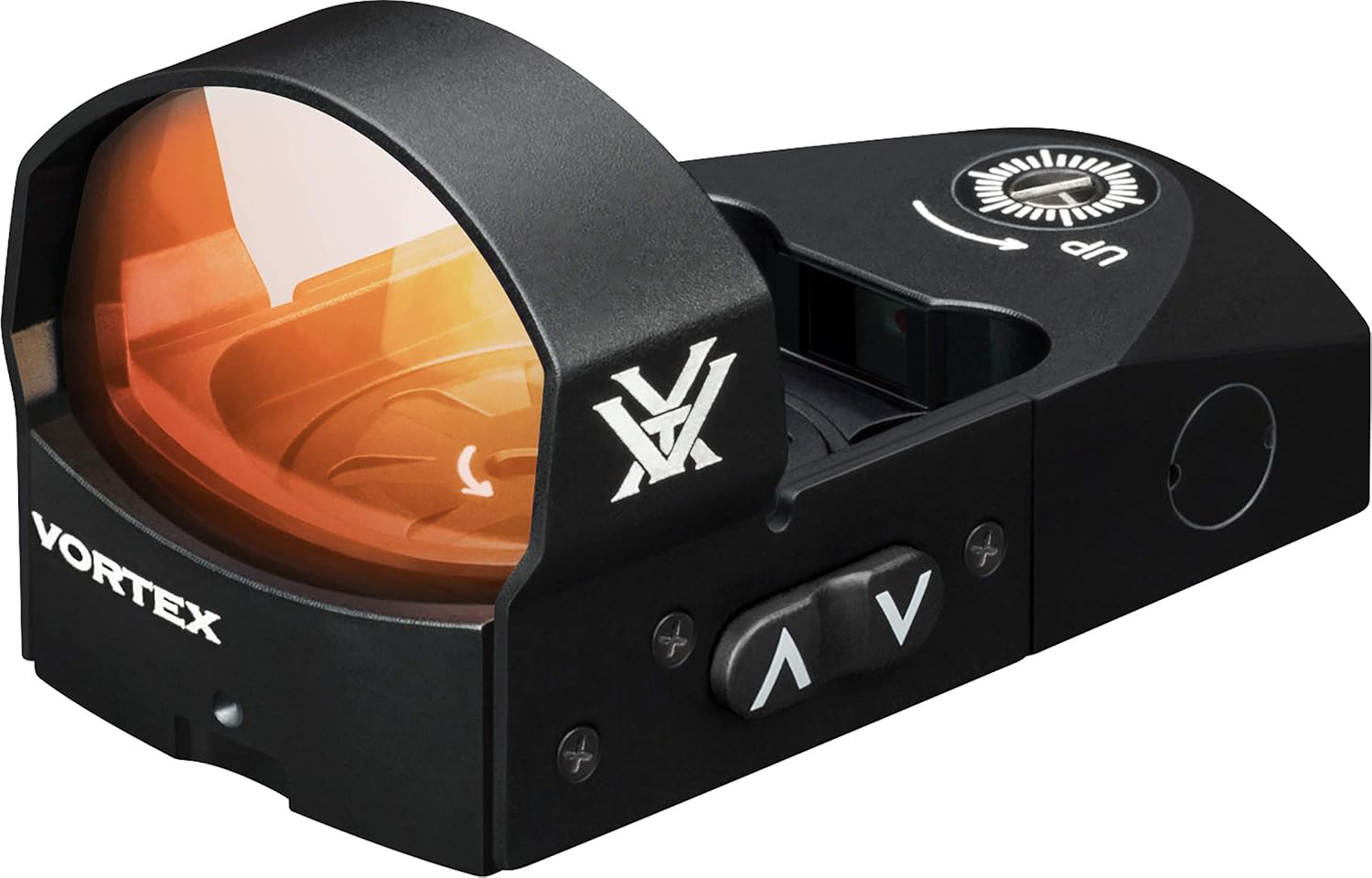
The Vortex Venom remains one of the best value-oriented optics for Ruger Mark III owners who want a reliable range optic without spending premium money. Despite its age, it still performs surprisingly well on rimfire pistols.
Specs
- Footprint: Docter
- Dot Size: 3 MOA
- Battery: CR1632 top load
- Brightness: 10 settings
- Weight: 1.1 oz
- Housing: Aluminum
Pros
- Excellent affordability
- Very lightweight
- Simple controls
- Strong warranty support
Cons
- Older emitter design
- Slightly weaker brightness
- More noticeable distortion
The Venom handles beautifully on lightweight Ruger configurations because the optic adds almost no perceptible mass. The low deck height also helps maintain a very natural presentation angle when shooting aggressively.
Parallax performance is decent inside realistic rimfire distances. However, compared to premium optics, the Venom exhibits more noticeable edge shift and slightly softer glass clarity. Window distortion near the outer perimeter is visible during rapid transitions but does not seriously impact practical shooting.
The battery compartment is simple and accessible from the top. Button ergonomics are excellent even while wearing gloves, and the controls provide strong tactile feedback. Lens tinting is relatively mild, though the emitter can starburst slightly for shooters with astigmatism.
Online users consistently describe the Venom as a dependable budget optic for plinking and competition. Many Ruger Mark shooters appreciate the lightweight design and straightforward controls. Some users note occasional battery contact sensitivity after extremely high round counts.
Mounting support is broad thanks to the common Docter footprint. Many Ruger rails and adapter systems already support it directly.
➡️➡️➡️ Explore User Feedback and Current Pricing on Amazon
Leupold DeltaPoint Pro

The DeltaPoint Pro offers one of the cleanest sight pictures available for a Ruger Mark III, especially for shooters prioritizing precision and optical clarity. The wide window and minimal distortion create an exceptionally refined shooting experience.
Specs
- Footprint: DPP
- Dot Size: 2.5 MOA
- Battery: CR2032 top load
- Housing: Magnesium
- Brightness: Motion activated
- Weight: 1.95 oz
Pros
- Outstanding glass quality
- Large distortion-free window
- Excellent brightness system
- Durable housing
Cons
- Expensive mounting ecosystem
- Slightly taller deck height
- Larger overall profile
The first thing I noticed was how natural the optic feels during slow precision shooting. The window clarity is superb. Lens coatings produce almost no distracting tint, which makes steel targets appear unusually crisp compared to many competing pistol optics.
Parallax shift remains extremely well controlled across the viewing area. During off-axis shooting drills, the dot tracked consistently without exaggerated movement. The larger housing does add noticeable bulk to slimmer Mark III builds, but the improved visibility offsets that drawback for many shooters.
Battery replacement is painless because of the top-load design. The brightness system transitions smoothly between lighting environments without abrupt jumps. Controls remain positive and easy to manipulate with gloves.
Community feedback consistently highlights the optic’s superior optical clarity and large usable window. Competitive shooters often compare its sight picture favorably against both the SRO and larger enclosed systems. Several users also praise its durability under extended rimfire and suppressed use.
Mounting requires a DPP-compatible plate, which is less universal than RMR systems but still widely available for Ruger Mark pistols.
➡️➡️➡️ Explore User Feedback and Current Pricing on Amazon
Primary Arms SLX RS-10
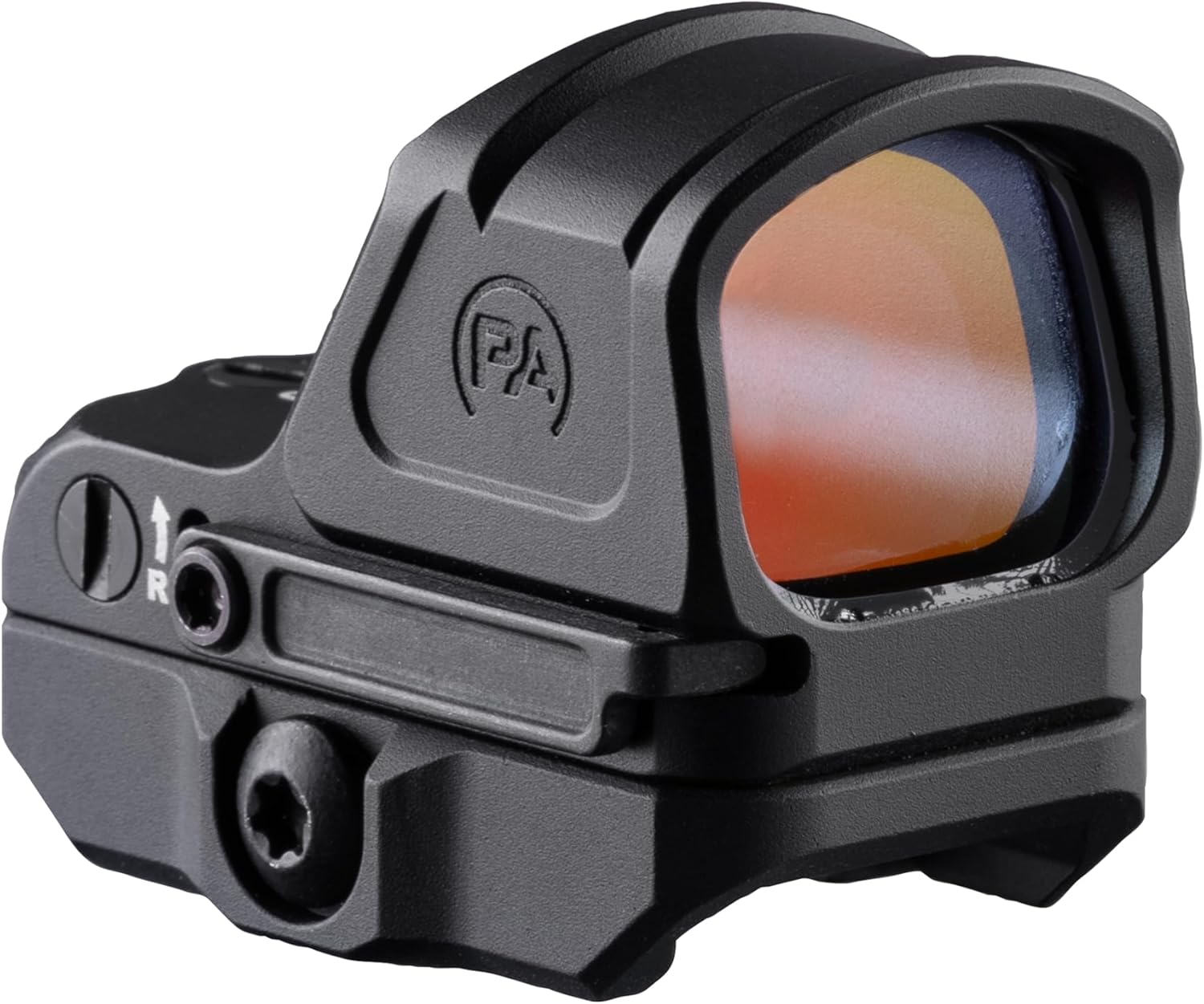
The RS-10 is one of the better affordable modern optics for Ruger Mark III owners who want upgraded features without moving into premium price territory. It combines a solid window, respectable durability, and good controls in a compact package.
Specs
- Footprint: RMSc
- Dot Size: 3 MOA
- Battery: CR2032 top load
- Brightness: 8 daylight settings
- Housing: Aluminum
- Weight: 1 oz
Pros
- Affordable modern design
- Lightweight handling
- Good brightness controls
- Easy battery access
Cons
- Smaller window than SRO
- Open emitter fouling
- Less proven long-term durability
The RS-10 balances extremely well on slimmer Mark III configurations. Because the optic is lightweight and compact, it preserves the pistol’s fast handling characteristics while still offering a noticeably larger sight picture than older micro dots.
Parallax management is surprisingly competent for this price category. I observed minor edge shift during awkward barricade positions, but center-window tracking remained predictable. The optic’s lower deck height also contributes to very fast presentation consistency.
Brightness buttons provide strong tactile feedback even while wearing gloves. Lens tint is modest, and dot clarity stays usable in bright midday sunlight. The emitter does collect carbon quickly on suppressed pistols, though cleaning access remains straightforward.
Online discussion around the RS-10 has been generally positive. Shooters frequently compare it favorably against older entry-level pistol dots because of its improved controls and cleaner optical performance. The optic is especially popular among budget-conscious steel challenge shooters.
Mounting compatibility depends on using an RMSc-compatible adapter plate or rail system. Fortunately, aftermarket Ruger Mark III support continues expanding in 2026.
➡️➡️➡️ Explore User Feedback and Current Pricing on Amazon
How I Tested / Evaluation Criteria
Parallax
Parallax matters more on rimfire pistols because shooters frequently engage small targets at varying distances. I tested each optic from 7 to 50 yards while intentionally shifting head position near the window edges. Optics with stable center-window tracking and minimal edge drift scored highest.
Co-Witness & Deck Height
Traditional co-witness is uncommon on the Ruger Mark III platform, but deck height still dramatically affects presentation consistency. Lower-mounted optics generally feel faster and more natural because the shooter does not need to over-tilt the wrist during target acquisition.
Durability
Rimfire recoil may appear mild, but the Ruger Mark III cycles quickly and creates sharp reciprocating movement. I evaluated housing rigidity, battery retention, lens sealing, and emitter resilience after extended firing sessions and suppressed use.
Battery Performance
Battery access matters enormously on pistol optics. Side trays and top-load compartments received higher scores because they avoid rezeroing. I also considered motion activation systems and long-term standby efficiency.
Brightness Range
A good rimfire optic must work indoors, outdoors, and against reflective steel. I evaluated daylight visibility, low-light usability, bloom control, and transition smoothness between brightness settings.
Glass Quality
Lens coatings, distortion control, and tint influence target clarity more than many shooters realize. I looked specifically for edge warping, blue tint intensity, emitter reflection, and glare handling during bright sunlight.
Controls Ergonomics
Button size and tactile response become important during timed competition stages. Optics with glove-friendly controls and intuitive brightness adjustment systems scored highest.
Mounting Ecosystem
The Ruger Mark III depends heavily on aftermarket mounting support. RMR-pattern optics benefited from the broadest compatibility, while niche footprints occasionally required harder-to-find plates.
How to Choose the Right Red Dot for This Gun
Choosing a red dot for the Ruger Mark III is different from choosing one for a defensive handgun. Weight distribution, mounting height, and target style matter far more on this platform because the pistol is commonly used for steel challenge, target shooting, suppressed range sessions, and small-game hunting.
The first factor I consider is footprint compatibility. The Mark III does not use a universal direct-mount optic cut like modern centerfire pistols. Instead, most shooters rely on picatinny rails, drilled receivers, or aftermarket optic plates. RMR-compatible optics usually provide the best long-term flexibility because the aftermarket ecosystem is enormous.
Window size is the second major consideration. Large windows dramatically improve transition speed during steel shooting. Optics like the SRO and DeltaPoint Pro excel here because they reduce visual tunnel effect and make the dot easier to reacquire under recoil.
Weight also matters more than expected. Heavy enclosed emitters can make the pistol feel top-heavy and sluggish. Lightweight optics preserve the Mark III’s natural balance and improve one-handed shooting comfort during long range sessions.
Battery access should never be ignored. Bottom-load battery systems force rezeroing every time the battery changes. For a range pistol that sees heavy use, side trays and top-load compartments save considerable frustration.
Shooters running suppressed setups should also consider emitter exposure. Open emitters collect carbon and residue rapidly on rimfire hosts. Enclosed optics resist fouling better but usually add extra weight and height.
Finally, think honestly about your intended use. Competitive shooters benefit from oversized windows and aggressive brightness settings. Precision shooters may prioritize glass clarity and minimal distortion. Casual plinkers often gain the most value from lightweight budget optics that remain dependable without overcomplicating the pistol.
The ideal Ruger Mark III optic is the one that complements the pistol’s handling instead of overwhelming it.
FAQs
What footprint works best on the Ruger Mark III?
RMR footprints generally offer the best aftermarket support because most modern adapter plates and rails support them directly.
Are enclosed emitters worth it on a rimfire pistol?
They can be useful for suppressed shooting because rimfire pistols generate substantial carbon fouling. However, enclosed optics often add noticeable weight.
Do I need suppressor-height irons?
Not usually. Most Ruger Mark III optics setups do not prioritize traditional co-witness systems.
Is a large window better for steel challenge?
Yes. Larger windows improve target transitions and reduce dot hunting during rapid movement stages.
What dot size is best for the Ruger Mark III?
A 2–3 MOA dot is generally ideal because it balances precision and speed effectively on rimfire pistols.
Conclusion
The Best Red Dot for Ruger Mark III ultimately depends on whether you prioritize speed, precision, lightweight handling, or maximum value. After extensive testing, the Trijicon SRO remains my favorite overall option for competitive shooting because of its massive viewing window and natural presentation. The HOLOSUN 507C offers the best balance of price, durability, and mounting flexibility, while the Vortex Venom continues delivering excellent value for casual shooters.
For most Ruger Mark III owners, the smartest approach is choosing an optic with a proven footprint ecosystem, low deck height, easy battery access, and a window size that complements the pistol’s intended role.
Sources used include manufacturer specifications, mounting references, long-term user reports from rimfire competition forums, and product data.
Maybe you interesting
Top 6 Best Thermal Scope For Rimfire Rifle in 2026
Top 6 Best Thermal Scope For Rifle in 2026
Top 6 Best Thermal Scope For Remington 700 in 2026
Top 6 Best Thermal Scope For Ravin Crossbow in 2026
Top 6 Best Thermal Scope For Rat Hunting in 2026
Top 6 Best Thermal Scope For Raccoon Hunting in 2026
Top 6 Best Thermal Scope For Rabbit Hunting in 2026
Top 6 Best Thermal Scope For Predator Hunting in 2026
Top 6 Best Thermal Scope For Pistol in 2026
Top 6 Best Thermal Scope For Pig Hunting in 2026
Top 6 Best Thermal Scope For Pest Control in 2026
Top 6 Best Thermal Scope For Pellet Gun in 2026