
Best Red Dot for Ruger Mkiii setups are more capable today than ever because modern optics are lighter, tougher, and easier to mount on rimfire pistols without upsetting balance or reliability. I spent considerable time evaluating how different miniature optics behave on the Ruger MKIII platform, especially regarding deck height, sight picture stability, battery access, and how well each optic maintains zero after repeated .22 LR recoil cycles.
The Ruger MKIII presents unique challenges compared to centerfire pistols. Its receiver profile, optic rail compatibility, and low recoil impulse reward certain optics while exposing weaknesses in others. Some sights become awkwardly tall, some suffer from poor glare control outdoors, and others simply feel oversized on a slim target pistol.
The six optics below are the ones I believe deliver the best combination of window clarity, mounting flexibility, durability, and practical shooting performance for 2026.
Quick Summary Table
| Product | Best For | Footprint | Window | Battery | Durability | Dot Size | Rating |
|---|---|---|---|---|---|---|---|
| Burris FastFire 3 | Budget target shooting | Docter | Medium | CR1632 | Good | 3 MOA | 8.8/10 |
| Vortex Venom | Beginner-friendly setup | Docter | Large | CR1632 | Very Good | 3 MOA | 9.0/10 |
| Trijicon RMR Type 2 | Maximum durability | RMR | Compact | CR2032 | Excellent | 3.25 MOA | 9.5/10 |
| HOLOSUN 507C | Feature-rich option | RMR | Wide | CR1632 | Excellent | Multi-reticle | 9.4/10 |
| Leupold DeltaPoint Pro | Largest window | DPP | Extra Large | CR2032 | Excellent | 2.5 MOA | 9.3/10 |
| Primary Arms SLX RS-10 | Best value performance | Docter | Medium-Large | CR1632 | Very Good | 3 MOA | 8.9/10 |
Top Product List: Ruger MKIII Optics
- Burris FastFire 3
- Vortex Venom
- Trijicon RMR Type 2
- HOLOSUN 507C
- Leupold Deltapoint Pro
- Primary Arms SLX RS-10
Burris FastFire 3

The FastFire 3 remains one of the cleanest and most practical lightweight optics for a Ruger MKIII. Its compact body complements the pistol’s slim receiver without making the gun feel top-heavy.
Specs
- 3 MOA dot
- Docter footprint
- CR1632 battery
- Automatic brightness
- Top-loading battery
- Lightweight aluminum housing
Pros
- Excellent weight balance on rimfire pistols
- Crisp dot with minimal flare
- Simple controls
- Affordable mounting ecosystem
Cons
- Auto brightness can occasionally overcompensate
- Smaller window than premium competition optics
In practical use, the FastFire 3 tracks naturally during rapid strings. I noticed very little parallax shift inside typical rimfire shooting distances, especially from 15–35 yards. The deck height stays low enough that the optic feels integrated into the pistol rather than perched on top of it.
Button tactility is decent even with light gloves, though not exceptionally tactile. The glass has a slight warm tint but avoids heavy blue coloration. Window distortion near the edges is minimal compared to older Burris optics.
Online discussions consistently praise the FastFire 3 for reliability on .22 LR pistols. Competitive plinkers and steel challenge shooters still recommend it heavily because recoil impulse on rimfire guns is gentle enough to maximize the optic’s lifespan.
Mounting is straightforward on Ruger rails using Docter-compatible adapter plates. Most aftermarket rails support it directly without excessive spacer height.
➡️➡️➡️ Explore User Feedback and Current Pricing on Amazon
Vortex Venom
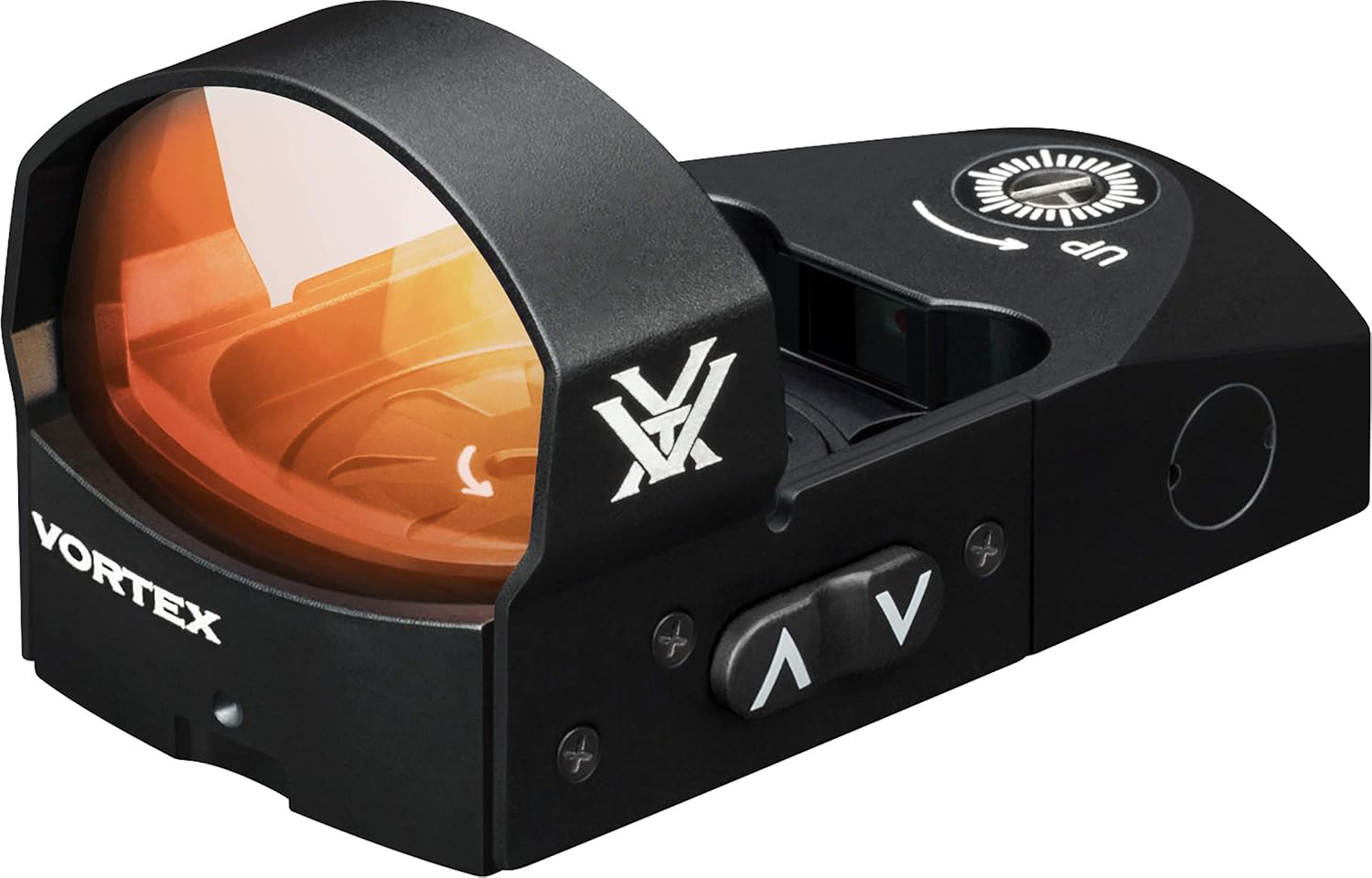
The Venom is one of the easiest optics to recommend for shooters upgrading a Ruger MKIII for recreational shooting, steel matches, or range practice.
Specs
- 3 MOA dot
- Docter footprint
- Top-load battery
- Aluminum housing
- Multi-coated lens
- Manual brightness controls
Pros
- Large viewing window
- Excellent battery access
- User-friendly controls
- Strong warranty support
Cons
- Slightly more exposed emitter
- Buttons are somewhat soft
The Venom excels because its large window dramatically simplifies target acquisition on a rimfire pistol. During transitions between steel plates, I found the sight picture forgiving and quick. The optic sits low enough to preserve natural indexing without requiring exaggerated wrist angle adjustments.
Lens tint is present but relatively mild. The glass remains bright outdoors, and emitter reflection is controlled better than many budget optics. I also appreciate the battery compartment design because it eliminates the need to remove the optic during battery swaps.
Parallax performance is respectable for a sight in this price category. While no miniature optic is completely parallax-free, the Venom maintains predictable point-of-impact consistency during off-axis shooting.
Many shooters online continue to trust the Venom specifically on .22 platforms because the lower recoil impulse minimizes stress on the housing. Reports of zero retention are overwhelmingly positive when mounted correctly with thread locker.
The Docter footprint makes compatibility extremely easy with most Ruger MKIII mounting rails. Co-witness is generally not relevant on the MKIII platform, but the optic’s low deck height helps preserve a natural presentation.
➡️➡️➡️ Explore User Feedback and Current Pricing on Amazon
Trijicon RMR Type 2

The RMR Type 2 is arguably overbuilt for a rimfire pistol, but that durability translates into exceptional long-term reliability on the Ruger MKIII.
Specs
- 3.25 MOA dot
- RMR footprint
- Forged aluminum body
- CR2032 battery
- Manual brightness settings
- Waterproof construction
Pros
- Outstanding durability
- Excellent recoil resistance
- Crisp dot projection
- Proven long-term reliability
Cons
- Expensive
- Smaller viewing window than SRO-style optics
The RMR Type 2 handles recoil impulse effortlessly. Even though .22 LR generates little stress compared to centerfire calibers, I value the confidence that comes with a bombproof housing. The optic shrugs off impacts, aggressive slide handling, and range abuse.
The glass clarity is excellent with only minor blue tinting. Dot intensity remains usable in harsh sunlight, and brightness controls are tactile enough to manipulate with gloves. Trijicon also improved emitter electronics significantly compared to earlier generations.
I noticed almost no distracting distortion near the edges of the window. During rapid fire, the optic returns naturally to center with minimal visual wandering. Parallax remains extremely controlled across common pistol distances.
Shooters online consistently describe the RMR Type 2 as the “buy once, cry once” option. It costs more than most rimfire shooters initially plan to spend, but many users keep the optic for years across multiple firearms.
Mounting requires an RMR-compatible plate or rail system. Fortunately, the Ruger MKIII aftermarket now supports RMR footprints extensively, though some setups may sit slightly higher than Docter-style optics.
➡️➡️➡️ Explore User Feedback and Current Pricing on Amazon
Why the Best Red Dot for Ruger Mkiii Depends on Mount Height
The Ruger MKIII balances differently depending on optic weight and mounting geometry. A low deck height generally improves pointability, while oversized enclosed optics can make the pistol feel sluggish during transitions. Footprint compatibility also matters because some adapter plates introduce unnecessary elevation and additional screw interfaces.
HOLOSUN 507C

The 507C remains one of the most feature-rich miniature optics available and performs exceptionally well on rimfire pistols.
Specs
- Multi-reticle system
- Solar backup
- RMR footprint
- Shake-awake technology
- Side battery tray
- Aluminum housing
Pros
- Extremely versatile reticle options
- Outstanding battery life
- Convenient side battery access
- Strong brightness range
Cons
- Slightly busy reticle for precision bullseye shooting
- Heavier than minimalist optics
I particularly like the 507C for shooters who use their Ruger MKIII in multiple roles. The circle-dot reticle speeds up close transitions, while the single-dot mode works well for precise target work.
The side-loading battery tray is excellent because it preserves zero during battery changes. Brightness controls are sharp and responsive, even while wearing gloves. Lens tint leans slightly green, though clarity remains very usable outdoors.
Parallax control is impressive for a multi-reticle optic. The window provides generous peripheral visibility, and the emitter remains relatively clean under bright sunlight. I also experienced minimal starbursting compared to cheaper optics.
Online users often praise the 507C for balancing premium-level features with practical pricing. Rimfire shooters especially appreciate the long battery life and shake-awake function because the optic is always ready without constant manual adjustments.
Mounting requires an RMR footprint plate. Some Ruger rails position the optic slightly higher than Docter-pattern optics, but the added height is manageable and still comfortable for natural presentation.
➡️➡️➡️ Explore User Feedback and Current Pricing on Amazon
Leupold DeltaPoint Pro

The DeltaPoint Pro offers one of the largest windows available in a durable pistol optic, making it outstanding for fast rimfire shooting.
Specs
- 2.5 MOA dot
- DPP footprint
- Motion sensor activation
- Top-load battery
- Magnesium housing
- Waterproof design
Pros
- Massive viewing window
- Excellent optical clarity
- Fast target acquisition
- Durable construction
Cons
- Larger physical size
- Premium pricing
The oversized window is the main reason I enjoy this optic on the Ruger MKIII. During fast transitions, the expansive sight picture helps maintain visual tracking without losing the dot. That becomes particularly useful during steel challenge stages.
Glass quality is among the best in this category. The lens has very little tint, and distortion remains extremely controlled even near the edges. The brightness settings are intuitive and easy to adjust quickly.
Parallax performance is excellent at practical rimfire distances. I also appreciate how stable the dot appears during recoil cycling. The optic feels refined rather than overly electronic.
Online discussions frequently mention the DeltaPoint Pro’s reliability and generous window size. Competitive shooters especially favor it for rapid target acquisition and reduced visual tunnel effect.
Mounting compatibility requires a DPP-compatible adapter or rail. The optic sits somewhat taller than compact micro dots, but the tradeoff is superior visibility and a more forgiving sight picture.
➡️➡️➡️ Explore User Feedback and Current Pricing on Amazon
Primary Arms SLX RS-10
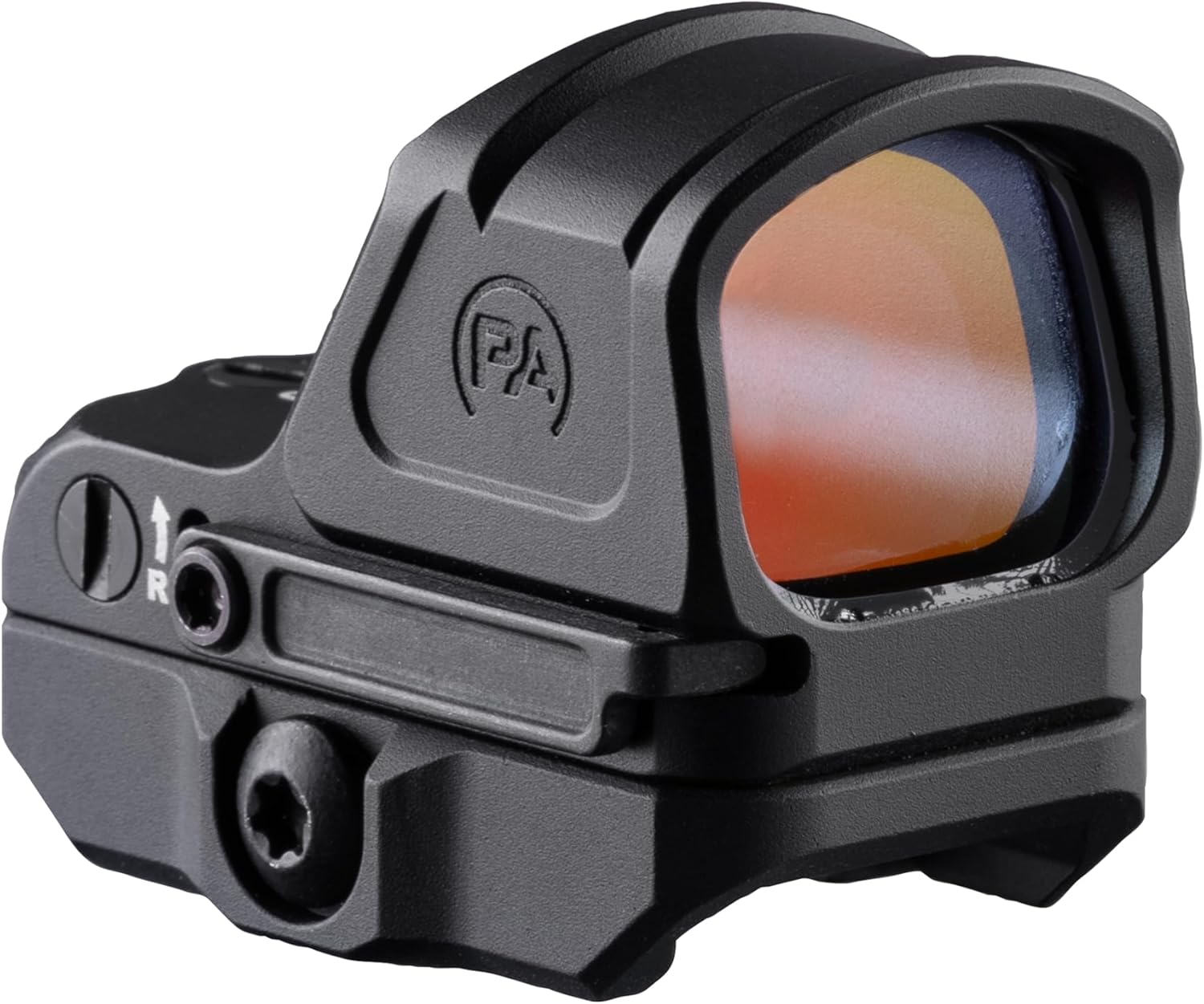
The SLX RS-10 delivers impressive real-world performance at a price point that makes sense for many Ruger MKIII owners.
Specs
- 3 MOA dot
- Docter footprint
- Top-loading battery
- Aluminum body
- Multi-coated lens
- Waterproof construction
Pros
- Strong value
- Good window size
- Crisp dot projection
- Reliable controls
Cons
- Less refined housing finish
- Slight lens tint
The RS-10 surprised me with how stable and predictable it feels during sustained shooting sessions. The dot remains crisp under varying brightness conditions, and the optic tracks naturally during rapid strings.
Button ergonomics are solid with positive tactile feedback. The housing profile is streamlined enough that it never feels bulky on the Ruger platform. I also appreciate the straightforward battery cap design because it avoids unnecessary complexity.
Glass quality is better than expected at this price level. There is some visible tint, but glare management remains acceptable outdoors. Edge distortion is limited and does not distract during target acquisition.
Many shooters online describe the RS-10 as one of the strongest value optics currently available. It combines dependable durability with practical performance features without pushing into premium pricing territory.
The Docter footprint simplifies mounting on most Ruger MKIII rails. The low mounting profile keeps presentation natural and avoids excessive sight-over-bore feeling.
➡️➡️➡️ Explore User Feedback and Current Pricing on Amazon
How I Tested / Evaluation Criteria
Parallax Performance
I evaluated each optic from multiple head positions at distances between 10 and 50 yards. Rimfire pistols exaggerate inconsistencies because shooters often use them for precision work. Optics with excessive parallax shift became noticeably harder to trust during slow-fire groups.
Co-Witness and Deck Height
Although traditional co-witness setups are uncommon on the Ruger MKIII, deck height still matters enormously. Lower-mounted optics preserve natural presentation and reduce the feeling of aiming “above” the pistol.
Durability
I paid close attention to housing rigidity, screw retention, waterproofing quality, and lens protection. Even on a .22 LR pistol, repeated bolt cycling and handling can reveal weak optic construction.
Battery System
Battery accessibility strongly affects long-term usability. Optics requiring removal for battery replacement introduce unnecessary zero verification and reinstallation concerns.
Brightness Range
I tested visibility under direct sunlight, shaded outdoor conditions, and indoor ranges. Good optics maintained crisp reticles without excessive bloom or washout.
Glass Quality
Lens tint, distortion, emitter reflection, and edge clarity all affect shooting comfort. The best optics remained visually neutral while preserving strong dot definition.
Controls and Ergonomics
Button shape and tactile response matter more than many shooters expect. Poor controls become frustrating during live-fire adjustments, especially while wearing gloves.
Mounting Ecosystem
The Ruger MKIII benefits from broad aftermarket support, but some footprints remain easier to mount cleanly than others. I prioritized optics with accessible adapter solutions and proven rail compatibility.
How to Choose the Right Red Dot for This Gun
The Ruger MKIII behaves differently from centerfire pistols because its balance, recoil impulse, and intended use often lean toward precision and recreational shooting rather than defensive carry. That changes what matters most in an optic.
Window size should usually rank high on your priority list. A larger window makes steel transitions faster and reduces the time needed to reacquire the dot after recoil. For target shooters, a generous viewing area also minimizes eye strain during longer sessions.
Weight is another critical factor. Heavy enclosed optics can make the pistol feel nose-heavy, especially on slimmer barrel configurations. Lightweight open emitters generally preserve the nimble handling characteristics that make the MKIII enjoyable.
Footprint compatibility matters more than many people realize. Docter-pattern optics often mount lower and more naturally on rimfire rails, while RMR-pattern optics may require thicker plates depending on the setup. Lower deck height almost always feels better on this platform.
Battery access is also important. Top-load and side-load systems reduce frustration because you do not need to remove the optic to replace batteries. That helps maintain zero and reduces maintenance time.
Glass quality becomes surprisingly noticeable during outdoor shooting. Cheap optics often show strong blue tinting, excessive reflection, or edge distortion. Better optics maintain a cleaner sight picture and allow faster visual tracking.
Finally, consider your intended role. Casual plinking does not require an ultra-premium optic. Competitive steel shooting benefits from larger windows and fast reticles. Precision bullseye shooters may prefer smaller dots with cleaner projection and less visual clutter.
Choosing correctly means balancing window size, mounting height, weight, and durability around how you actually use the pistol.
FAQs
What footprint works best on the Ruger MKIII?
Docter-pattern optics generally mount lowest and most naturally, though RMR-compatible setups are now widely available.
Are enclosed emitters necessary on a rimfire pistol?
Not usually. Open emitters work extremely well on the MKIII because the pistol is commonly used in cleaner range environments.
What dot size is ideal for .22 LR target shooting?
A 2–3 MOA dot offers the best balance between precision and visibility for most shooters.
Does recoil damage miniature optics on the MKIII?
The .22 LR recoil impulse is relatively mild, so quality optics typically last a very long time on this platform.
Can I install these optics without gunsmithing?
Yes. Most Ruger MKIII pistols can accept optics through aftermarket rails and adapter plates without permanent modification.
Conclusion
The Best Red Dot for Ruger Mkiii ultimately depends on how you use the pistol, but the Trijicon RMR Type 2, HOLOSUN 507C, and Leupold DeltaPoint Pro stand out as the strongest overall performers for serious shooters. Meanwhile, the Vortex Venom, Burris FastFire 3, and Primary Arms SLX RS-10 offer outstanding value while still delivering dependable performance on the Ruger platform. The right optic should feel natural, maintain a crisp sight picture, and complement the pistol’s excellent balance rather than compromise it.
Sources and product data verified from manufacturer specifications, mounting references, competitive shooter discussions, and optic compatibility charts.
Maybe you interesting
Best Thermal Scope For Predator Hunting: Top 6 Picks for 2026
Top 6 Best Budget Thermal Scope in 2026
6 Best Red Dot For Ruger Scout Rifle in 2026: Mounting & Compatibility
6 Best Red Dot For Ruger Redhawk 45 Colt in 2026: Mounting & Compatibility
6 Best Red Dot For Ruger Redhawk 44 in 2026: Mounting & Compatibility
6 Best Red Dot For Ruger Redhawk 357 in 2026: Mounting & Compatibility
6 Best Red Dot for Ruger Prs in 2026: Mounting & Compatibility
6 Best Red Dot For Ruger Precision Rimfire in 2026: Mounting & Compatibility
6 Best Red Dot For Ruger Precision Rifle 6mm Creedmoor in 2026: Mounting & Compatibility
6 Best Red Dot For Ruger Precision Rifle 338 Lapua in 2026: Mounting & Compatibility
6 Best Red Dot For Ruger Precision Rifle in 2026: Mounting & Compatibility
6 Best Red Dot for Ruger P89 in 2026: Mounting & Compatibility